What should drive the choice?
Treat uncertain stored batteries as an unresolved procurement condition. Obtain model-specific manufacturer guidance and a documented supplier resolution before deployment.
Research based on manufacturer documentation. We have not physically tested this equipment.
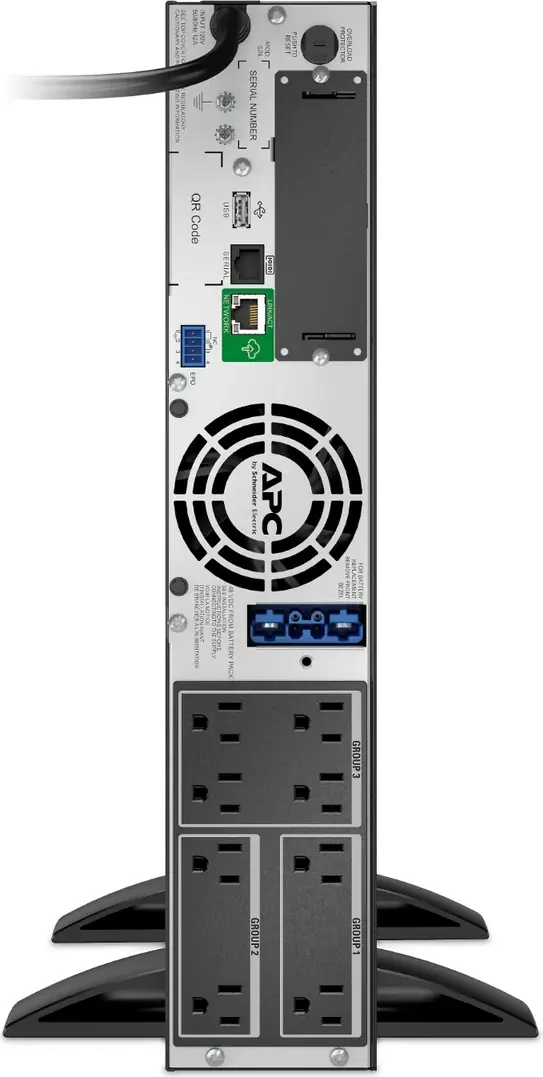
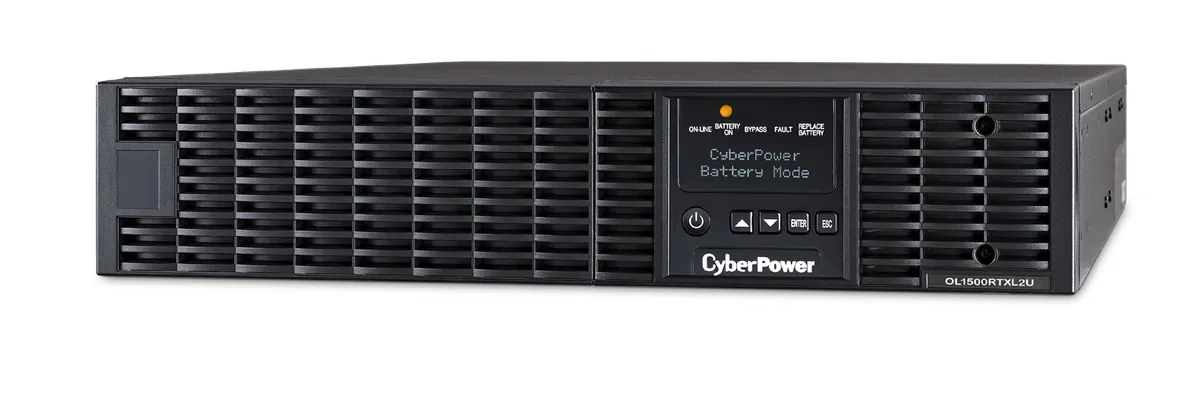
Check the exact equipment
Amazon.com model searches can include alternatives. Confirm the full model, electrical configuration, seller, condition, included hardware and warranty.
Distinguish unused equipment from maintained batteries
A UPS can be unused while its batteries have spent a long time in storage. Sealed packaging tells you little about manufacturing date, temperature or recharge history. When a seller offers old stock, ask about the battery separately from the chassis. The useful buying question is whether the delivered battery arrangement has a documented history consistent with the applicable manufacturer instructions, rather than whether the cardboard looks untouched.
Describe the planned installation date when requesting a quotation. A project that will immediately commission the UPS has different storage needs from a rollout scheduled several months later. Ask the supplier what maintenance remains required before that date and who will perform it. Keeping the schedule visible prevents a battery from moving through several owners while everyone assumes the next organization is responsible for its condition.
Request dates that identify what was manufactured
Ask for the chassis serial or manufacturing information and the battery or cartridge date evidence, keeping sensitive identifiers out of public listings where appropriate. They may represent different events. A new replacement cartridge can be fitted to an older chassis, while an unopened unit can contain batteries manufactured well before its proposed sale. Preserve the supplier's explanation of the date code rather than guessing from an ambiguous label.
A claimed battery replacement needs a part number and supporting record. Establish whether the seller means a complete supported cartridge, a replacement external enclosure or individual cells installed into an existing assembly. Those are different descriptions. For an APC SMX1500RM2UC configuration, identify internal and external batteries separately. Do not assign one installation date to the entire system unless the evidence actually supports that history.
Ask about storage as a timeline
Build a simple timeline containing receipt, storage periods, location changes, maintenance and proposed dispatch. Ask whether the equipment was stored in conditions permitted by its instructions. A vague statement that it was kept indoors does not establish temperature or humidity. When records are unavailable, record the gap honestly instead of filling it with a guessed warehouse condition or an assumed remaining service life.
Schneider's published battery-storage guidance explains that self-discharge and temperature affect stored batteries and that maintenance instructions vary across UPS families. Use that as a reason to obtain the applicable instructions, not as permission to apply one schedule universally. Battery chemistry, connection state and product design matter. A broad online answer should not overwrite the current manual or written manufacturer direction for the offered configuration.
Request evidence of maintenance, not a fresh display photo
If recharge maintenance was required, ask who performed it, when, on which identified unit and under which procedure. A display showing full charge immediately before shipping does not reconstruct earlier storage. Nor does a recent charge alone demonstrate that an unknown battery will deliver the required duration. Keep historical records, current status and runtime planning as separate kinds of information in the purchasing file.
Do not prescribe an improvised recharge or recovery procedure to a seller. A deeply discharged or visibly damaged battery needs the manufacturer's or qualified service provider's assessment. The buyer's role is to request an acceptable documented condition and a clear remedy when it cannot be established. Reject unsupported claims that any old battery can be made equivalent to fresh supported stock by leaving the UPS plugged in.
Inspect each battery position in an expanded system
External-battery systems can contain several age groups. The CyberPower OL1500RTXL2U has a documented BP36V60ART2U expansion route; the APC SMX example uses its own supported battery family. List every enclosure and its included battery arrangement. An invoice for one new module does not establish that the internal battery or the remaining external modules were renewed at the same time.
Ask the supplier and manufacturer how differing battery histories should be evaluated for the supported system. Avoid declaring a mixed-age arrangement acceptable or unacceptable solely from a generic rule. The appropriate configuration, service work and operating assumptions need exact-model guidance. The resulting answer belongs with the bill of materials because future maintenance depends on knowing which components were actually accepted and why.
Turn uncertainty into an order condition
For an illustrative branch installation, a supplier might offer a chassis held for an unknown period with no battery records. The project can request documented supported replacement batteries, an agreed inspection by the service provider, or another unit with adequate records. These alternatives change the delivered configuration and responsibilities. They should be priced and accepted explicitly rather than left as an informal promise after payment.
Define what happens if receiving reveals a different battery date or missing maintenance record. Establish the supplier's resolution process, freight responsibility and permitted acceptance period before dispatch. Do not assume a manufacturer warranty automatically resolves every old-stock disagreement. Ask the relevant support channel about serial eligibility and battery coverage when that is material, and retain the written answer without turning it into a universal policy statement.
Plan storage after delivery too
The buyer inherits the same scheduling problem once the shipment arrives. Assign a storage owner, suitable location and maintenance calendar based on the instructions. Record any delay in installation and arrange the required service before the permitted interval is exceeded. A replacement cartridge kept as a spare also needs this ownership; buying a spare does not remove the need to maintain it.
At handover, retain dates, supplier records, accepted condition and the actual installed battery configuration. Commission the required shutdown or runtime workflow under approved site procedures. A documented new battery still needs an appropriate load and configuration plan. Conversely, a storage record is not a measured endurance result. Keep those distinctions clear so operators understand what the buying evidence does and does not establish.
Ask the supplier to tie the battery condition to the delivery date, not merely the date the quotation was written. A project can be delayed while stock remains reserved in a warehouse. Request notification if the agreed storage or maintenance condition changes before dispatch, and name the person who can approve a revised arrangement. The receiving record can then compare the delivered item with a current commitment. Without this link, both parties might accurately describe an earlier inspection while leaving the additional storage period and its required maintenance unaccounted for when installation finally begins.
Make the stock decision on evidence
- Pros: Documented stored stock can be assessed against a clear condition, installation schedule and manufacturer maintenance requirement.
- Cons: Missing history may require replacement work, delay deployment or make the supplier's proposed unit unsuitable.
The strongest purchase is one where the battery identity, timeline and required condition are agreed before shipping. If a seller can only repeat that the UPS is unused, the most consequential battery questions remain open. Resolve them with documented parts and responsibilities, or choose inventory whose history better matches the service the rack needs to deliver.
Compare relevant models on Amazon
Amazon.com model searches can include alternatives. Confirm the full model, electrical configuration, seller, condition, included hardware and warranty.
Sources and research basis
- Schneider Electric SMX1500RM2UC US pagePrimary documentation · checked 15 October 2026
- Schneider Electric SMX1500RM2UC exact-model datasheetPrimary documentation · checked 15 October 2026
- CyberPower OL1500RTXL2U official US product pagePrimary documentation · checked 15 October 2026
- CyberPower current Smart App Online catalogPrimary documentation · checked 15 October 2026
- Schneider Electric battery discharge during storagePrimary documentation · checked 15 October 2026
Thumbnail image credits
- Product photograph: Schneider Electric / APC: SMX1500RM2UC manufacturer product photograph
- Product photograph: CyberPower, extracted from its manufacturer datasheet: CyberPower OL1500RTXL2U manufacturer product photograph
Recommendations interpret the linked documentation. We have not physically tested this equipment and claim no original runtime, acoustics, switching or efficiency results. Report a correction.