What should drive the choice?
Obtain the applicable terms for the exact SKU and seller, then assign the claim and replacement workflow before relying on coverage.
Research based on manufacturer documentation. We have not physically tested this equipment.
Check the exact equipment
Amazon.com model searches can include alternatives. Confirm the full model, electrical configuration, seller, condition, included hardware and warranty.
Ask who will act when the UPS has a problem
A UPS warranty check should end with an operating process, not a screenshot of a coverage duration. The purchasing team needs to know who accepts a claim, which evidence is required, what parts are covered and how the rack is supported while the claim is resolved. Begin with the manufacturer, seller and service provider as distinct organizations. Their responsibilities may overlap, but they should not be assumed identical.
Identify the service outcome that matters. A lab able to wait for a replacement can accept a different arrangement from a remote office with no spare and no local technician. State that condition when requesting a quotation. Ask suppliers to describe the support offering they are actually selling, including any separate service agreement. Do not interpret the word warranty as a promise of uninterrupted operation.
Match the terms to the full regional SKU
Record the exact model, intended country of installation and seller's legal identity. Similar product names can represent different regional inputs, bundles or support arrangements. Ask the manufacturer or authorized channel whether the offered configuration is eligible for the claimed support in that location. Keep the written answer with the purchase record. Avoid extending a policy found on another region's website to the unit being ordered.
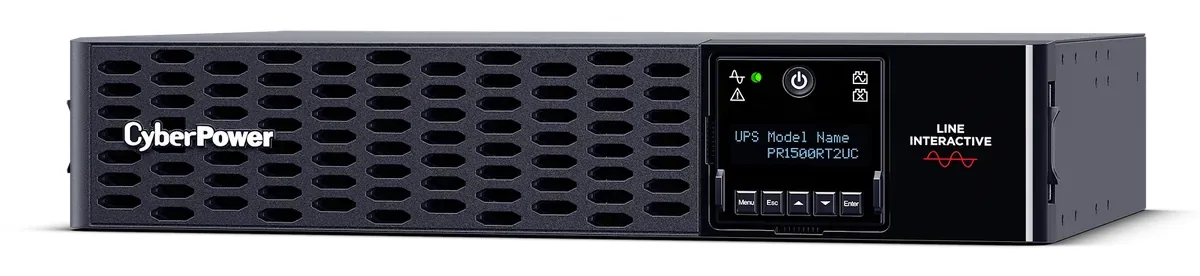
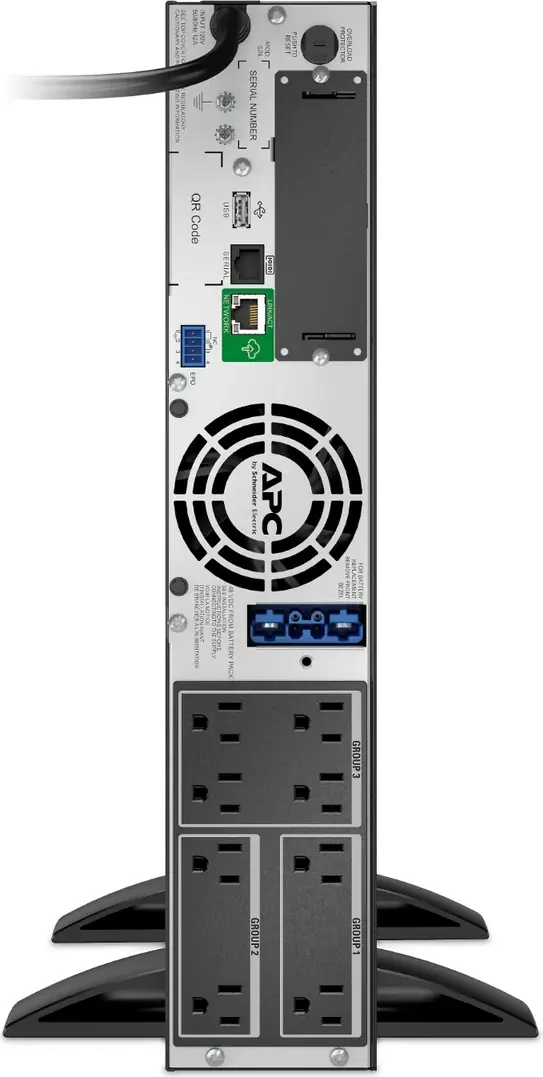
The CyberPower PR1500RT2UC and APC SMX1500RM2UC are documented model examples in this library, but the presence of official product pages does not establish a particular seller's eligibility. A marketplace listing can abbreviate a suffix or combine several offers. Confirm the actual merchant and exact item at checkout. The organization issuing the invoice should be identifiable before the purchasing team relies on its service promises.
Separate electronics, batteries and accessories
Ask what the applicable warranty covers and which conditions, exclusions or claim requirements apply. Batteries, external enclosures, management cards and purchased service can have different documentation. Do not collapse them into a single statement that the whole rack is covered. Request the relevant terms and have the responsible purchasing or legal owner resolve any interpretation that materially affects acceptance.
For an expandable SMX1500RM2UC system, list the base UPS, internal battery and each external pack on the coverage worksheet. Record whether accessories are bought together or from different sellers. A quote for an extended service on the chassis may not describe every battery enclosure in the installed layout. Ask the provider to identify the supported configuration and scope rather than assuming a system diagram determines contractual coverage.
Establish the starting evidence
Find out what proves the purchase date, serial eligibility and ownership. Retain the invoice, exact item description and any required registration confirmation securely. If a seller offers used, refurbished or open-box equipment, ask how that condition affects the specific support claim. Do not assume that a remaining period transfers automatically, and do not assume that every previously owned item lacks support. Obtain the relevant answer for the actual unit.
Record a registration owner and an organizational contact that will remain reachable. An individual employee's abandoned inbox is a poor long-term home for important support evidence. Keep account credentials in the approved credential system and documents in the asset record. Avoid publicly posting serial numbers, invoices or support credentials merely to show that the procurement process was completed.
Read the shipping and replacement process
Ask whether a claim involves remote diagnosis, return authorization, advance replacement, depot service or an on-site agreement. Use the provider's current terms rather than treating these phrases as interchangeable. Establish who pays freight, how packaging is obtained and who handles a heavy unit. A replacement arrangement is less useful if the site cannot receive, move or install the arriving equipment.
Distinguish a damaged shipment, an incorrect item, a seller return and a manufacturer fault claim. They can involve different deadlines and organizations. Ask the seller for its process before dispatch and inspect the delivered contents promptly under that process. This is a practical documentation task, not a claim that one policy overrides another. Material contractual uncertainty should be resolved by the people authorized to accept those terms.
Connect coverage to the rack's restoration plan
An illustrative branch office might need service restored the same day even when its warranty process takes longer. Its plan therefore needs an alternative approved power arrangement, spare or service contract that addresses that restoration objective. Coverage duration alone cannot satisfy the requirement. Compare the complete recovery offering and local capability instead of ranking products by the largest number printed beside warranty.
Check whether battery replacement or chassis replacement requires a maintenance window and who authorizes the work. The service provider needs the installed load, source, mounting and dependency information. A claim can be valid while the rack remains difficult to service because no migration procedure exists. Make that procedure part of operations ownership rather than expecting the warranty organization to reconstruct the site's application dependencies.
Keep software support distinct
When a management card or shutdown product is essential, verify its support and update requirements independently. Hardware coverage does not automatically describe ongoing software entitlement, cloud features or supported operating systems. Ask which components and services are included today and which need renewal or a separate agreement. Preserve those answers in the purchasing worksheet so an administrator can budget the actual operating configuration.
Review those records when the environment changes. Moving a UPS to another country, changing the supported cluster or replacing a management card can create new questions. Do not rewrite the original coverage assumptions from memory. Check the current provider information and document the decision. The useful warranty record is connected to the installed asset, not left as a generic brochure in an old quotation folder.
Use a short claim-routing exercise before approving a service-dependent order. Give the supplier a hypothetical description such as a fault reported at a remote branch and ask which organization receives the first call, what records it needs and who coordinates the physical replacement. Keep this as a process clarification rather than a requested guarantee of a future claim outcome. The response often reveals whether the quoted service includes the local activity the buyer expects. Any gap can then be assigned to the site's own provider or resolved in the commercial scope before the equipment is committed to production.
Use coverage as one buying constraint
- Pros: Clear support ownership and logistics make faults easier to route and prevent important evidence from being lost.
- Cons: Terms can be regional and configuration-specific; extra service may require budget and coordination beyond the hardware order.
Approve a purchase when the support process matches the service requirement and the relevant owners understand the remaining gaps. A supplier unable to identify the applicable terms should not receive credit for a broad warranty claim. A modest coverage statement backed by a usable claim and restoration process can be more valuable than an impressive headline whose practical meaning remains unresolved.
Compare relevant models on Amazon
Amazon.com model searches can include alternatives. Confirm the full model, electrical configuration, seller, condition, included hardware and warranty.
Sources and research basis
- CyberPower PR1500RT2UC specifications and documentationPrimary documentation · checked 15 October 2026
- Schneider Electric SMX1500RM2UC US pagePrimary documentation · checked 15 October 2026
- Schneider Electric SMX1500RM2UC exact-model datasheetPrimary documentation · checked 15 October 2026
Thumbnail image credits
- Product photograph: CyberPower, extracted from its manufacturer datasheet: CyberPower PR1500RT2UC manufacturer product photograph
- Product photograph: Schneider Electric / APC: SMX1500RM2UC manufacturer product photograph
Recommendations interpret the linked documentation. We have not physically tested this equipment and claim no original runtime, acoustics, switching or efficiency results. Report a correction.